
or use the SITEMAP
Smart Stylish and Sensible
Making Big Decisions You Feel Good About
Big decisions rarely arrive at a convenient moment. Changing jobs, moving home, upgrading your tech or replacing your car can all come with pressure to act fast, just when you most need to protect your budget, comfort and peace of mind.
The choices we're happiest with tend to balance the practical and the personal. They solve a real problem, suit the way you live and still feel right once the novelty has worn off.

With a major purchase, it pays to slow down
With a major purchase, it pays to slow down and look beyond the obvious option.
Upgrading a laptop or phone doesn't have to mean paying full price for the latest release, since a refurbished model or last year's version often does the same job for much less.
Cars work the same way: buying new isn't the only route, and leasing a used car can give you a fixed monthly cost without the big upfront outlay.
Whatever you're choosing, weigh up the budget, reliability, running costs and what you really need day to day. The smartest decision is rarely the cheapest or the flashiest. It's the one that gives you lasting value without stretching you too far.
Start With What Matters Most
Before you compare prices, colors, features or brands, define your priorities. Ask yourself what problem this decision is meant to solve. Are you trying to save time, reduce stress, improve safety, gain flexibility or create more enjoyment in everyday life?
Clear priorities stop you from being distracted by attractive extras that don't really serve you.
It can be useful to divide your needs into three categories: essential, desirable and unnecessary. Essentials are non-negotiable. Desirables are pleasant bonuses if the budget allows. Unnecessary features may be tempting, but they can push up costs without improving your quality of life.
Balance Style with Substance
There is nothing wrong with wanting something that looks good.
Style matters because it affects how you feel about your choice. A home should feel welcoming, workwear should make you feel confident and a car should suit your personality as well as your practical needs.
However, style should support substance, not replace it.
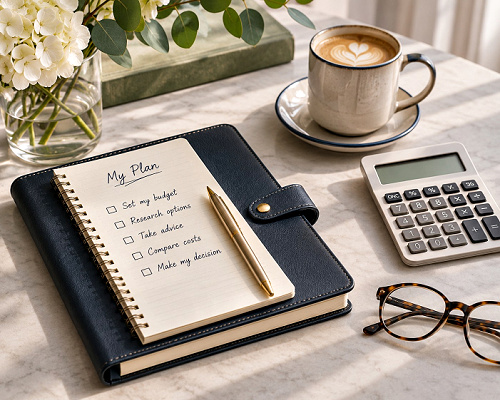
A beautiful option that's expensive to maintain, awkward to use or unsuitable for your routine may become frustrating very quickly. The aim is to find the version that feels appealing while still being robust, efficient and sensible.
Think Beyond the Initial Cost
One of the most common mistakes in big decision-making is focusing only on the upfront price. The true cost often includes maintenance, insurance, subscriptions, energy use, repairs, accessories and eventual resale value. Something that appears affordable at first may become costly over time, while a slightly higher initial spend may prove more economical in the long run.
Create a realistic ownership budget before committing. Include best-case and worst-case scenarios so you are not caught out by predictable expenses. This approach gives you confidence because you know the decision fits your finances beyond day one.
Take Advice, But Keep Ownership
Friends, family members and online reviews can offer useful perspectives, especially if they have direct experience. They may spot risks you have missed or suggest alternatives you hadn't even considered. Professional advice can also be valuable when legal, financial or technical details are involved.
Still, the final decision should reflect your circumstances, not someone else’s preferences. Advice is information, not instruction. Listen carefully, ask questions and then return to your own priorities. You are the one who will live with the outcome.
Give Yourself Time to Reflect
Urgency can cloud judgement. Sales deadlines, limited availability and fear of missing out can all push you towards a choice before you are ready.
When possible, build in a cooling-off period. Even one night’s sleep can reveal whether you are genuinely enthusiastic or simply caught up in the moment.
If you still feel calm and positive after reflecting, that is a strong sign.

If doubts grow louder, pause and investigate them. Hesitation is not always a reason to walk away, but it is often a signal that more information is needed.
Choose With Confidence
A good decision doesn't have to be perfect. Every meaningful choice involves trade-offs, and waiting for absolute certainty can leave you stuck. What matters is that your decision is informed, realistic and aligned with your values.
Being smart, stylish and sensible means respecting both your head and your heart. Gather the facts, understand the costs, consider the long-term impact and leave room for personal enjoyment.
When those elements work together, you can move forward feeling confident, not because the choice is flawless, but because it's truly yours.
You might like these
Pack like a pro for a city break: Chic travel tips
Pack like a pro for a city break with chic, versatile outfits, smart layers, and elegant essentials so you travel light and still feel polished.
Paris Wedding in Las Vegas
Our Paris wedding in Las Vegas has been romantic, stylish and elegant!
Mother of the Bride in Las Vegas
My Mother of the Bride outfit for Las Vegas had to be something special!



Homepage >> Travel >> Smart Stylish and Sensible
Hi I'm Pamela - come join me!

The latest on THE BLOG!


-
High Fibre Soups
Nov 28, 26 07:15 AM
 High fibre soups - quick, delicious, filling, healthy, warming, good for the figure, impressive to serve and cheap to make! What's not to like!
-
Look Good in the Winter, and Keep Warm
Nov 28, 26 06:04 AM
Look good in the Winter - and keep warm!


Like to join the Style Yourself Confident Group Board on Pinterest? Just Contact me to be added ...
By Pamela Graham Copyright 2012-2026 Style-Yourself-Confident.com
Powered by Solo Build It